
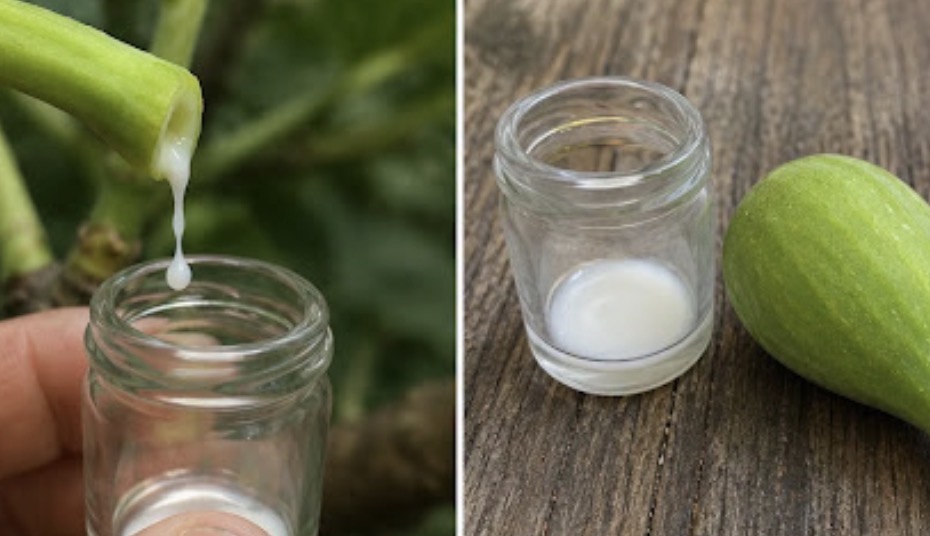
Oh, my dear friend, there is a very specific kind of magic that happens when you spend time tending to the fruit trees in the garden. Fig trees, in particular, have a long, rich history in farmhouse cooking and traditional wellness. But when you snap a leaf or pick a fig and see that milky white sap appear, it’s natural to wonder: “What is this, and what on earth do I do with it?”
At 73, living out here in my cozy farmhouse, I have learned to respect the powerful remedies nature provides—but always with a healthy dose of caution. Between keeping a watchful eye on my circulation, monitoring those sudden, unexplained purple blotches on my arms, and doing everything I can to protect my skin and vascular health, I know one thing for certain: understanding the science behind natural remedies is the best way to use them safely and effectively.
So, I put the kettle on, brewed a soothing cup of my favorite chamomile tea, and looked into the actual “garden science” behind fig sap.
Grab your favorite gardening gloves, and let’s separate the old wives’ tales from the practical, science-backed facts so you can interact with your garden with absolute confidence and peace of mind!
⚠️ A Gentle Wellness & Safety Disclaimer
Fig sap contains a potent enzyme called ficin and compounds that can cause severe skin irritation, blistering, and phytophotodermatitis (a reaction that worsens with sun exposure). Always wear gloves and long sleeves when handling fig sap, and wash your hands immediately. If you have sensitive skin or are monitoring unexplained skin changes like purple blotches, it is best to admire the sap from a distance and let the professionals handle it!
The “Garden Science” Reality: What is Fig Sap?
First, take a deep breath. That milky white liquid is the tree’s natural latex, and it serves as the fig tree’s immune system, sealing wounds and protecting against pests.
Here is the beautiful, practical truth behind it:
The Power of Ficin: Fig sap contains a proteolytic enzyme called ficin, which breaks down proteins. Historically, this made it a popular (though risky) folk remedy for removing warts, softening tough meats, or aiding digestion.
The Skin Danger: Because ficin breaks down proteins, it can literally break down the proteins in your skin. When combined with sunlight, it causes phytophotodermatitis—a painful, blistering rash that can leave long-lasting dark marks. This is exactly why we must be so gentle and protective of our skin, especially when we are already monitoring it for circulation changes or unexplained blotches!
The Culinary Alternative: While the sap is tricky, the fig leaves are a farmhouse treasure! They are completely safe to handle once dried or blanched, and they impart a beautiful, subtle coconut-vanilla flavor to foods wrapped in them.
Collection and Storage: The Safe Way
If you are working with fig trees, honoring my mother-in-law’s golden rule of keeping things simple, safe, and functional is paramount.
Suit Up: Always wear thick gardening gloves, long sleeves, and eye protection.
Collection: Traditionally, the sap is collected by making a small, shallow scratch on the stem of an unripe fig or leaf and letting a single drop fall onto a piece of glass or ceramic. Do not let it touch your skin.
Storage: Fresh sap is rarely stored because it degrades quickly and is highly reactive. If traditional herbalists dry it, they do so in a dark, well-ventilated area, turning it into a brittle, resin-like substance that is then carefully powdered. For the home gardener, it is safest to simply let the tree heal itself and avoid collecting the sap altogether.
The Health Connection: Why Protecting Your Skin Matters
You might wonder what a drop of tree sap has to do with overall health, but as someone who is deeply proactive about my well-being, I find the connection quite clear!
Our skin is our body’s first line of defense. When we expose it to harsh irritants like fig sap, it triggers inflammation. As I always remind myself, chronic inflammation constricts blood vessels and increases systemic stress, which is the exact opposite of what we want when we’re trying to keep our circulation steady and those unexplained purple blotches on our arms at bay!
Choosing to protect our skin with gentle, mindful habits is a powerful, proactive way to support our vascular health and overall wellness.
The “Avocado Lover’s” Post-Garden Soothing Ritual
Since I have a strong personal preference for avocados and incorporate them into almost every single aspect of my life (even though my children absolutely do not share my liking for them, which just means I get to enjoy the whole, glorious batch all to myself!), I always use my beloved avocado to soothe and nourish my skin after a day in the garden.
While fig sap is harsh, avocado is incredibly healing. It is packed with Vitamin E and healthy fats that deeply moisturize and support the skin barrier. After washing my hands thoroughly and hanging up my gardening gloves, I head to the kitchen to ground myself with my go-to 3-Ingredient Circulation-Supporting Toast.
Ingredients You’ll Need:
½ large, perfectly ripe avocado: The creamy, heart-healthy foundation packed with monounsaturated fats and Vitamin E that help relax blood vessel walls and deeply nourish the skin from the inside out.
1 slice of hearty whole-grain toast: For steady, fiber-rich energy.
A squeeze of fresh lemon juice & a tiny pinch of flaky sea salt: The lemon provides a bright hit of Vitamin C, which is absolutely essential for building strong collagen to keep capillary walls flexible, resilient, and protected.
Step-by-Step Instructions:
The Gentle Mash: Toast your bread until it’s wonderfully crisp. Mash the avocado with the fresh lemon juice and sea salt.
The Mindful Moment: As I enjoy this with my warm tea, I take five slow, deep breaths. I remind myself that my home is a safe haven, my garden is a place of joy, and I am taking wonderful, gentle care of my body.
The Daily Habit: The healthy fats in the avocado support my vascular health and help melt away physical tension, while the warmth of the tea soothes my digestion and calms my nervous system after a busy morning outdoors.
My Farmhouse Pro-Tips for Fig Tree Joy
You don’t need to mess with the sap to enjoy the magic of the fig tree! Here are my gentle, no-fuss rules for making the most of your harvest:
✅ Use the Leaves, Not the Sap: Instead of dealing with the irritating sap, harvest mature fig leaves, wash them, and blanch them in boiling water for 30 seconds. They become pliable and are perfect for wrapping fish, chicken, or even cheeses for baking. It imparts a magical, subtle flavor without any of the skin risks! ✅ Ripen with Care: If you have unripe figs, don’t try to force them with sap tricks. Simply bring them indoors and place them in a paper bag with a banana or apple. The natural ethylene gas will gently encourage them to ripen. ✅ Hydrate and Protect: Always drink plenty of water and wear a broad-spectrum sunscreen when gardening. Protecting your skin from the sun is one of the most proactive things you can do for your long-term vascular and skin health.
A Beautiful Reminder of Gentle Stewardship
I truly hope this little deep-dive brings you clarity and a wonderful sense of practical wisdom. It is so empowering to know that we can appreciate the fascinating science of nature while also setting gentle, protective boundaries to keep ourselves safe and healthy.
By choosing mindful observation over risky folk remedies, and focusing on soothing, nutrient-dense habits, we build a foundation of wellness that allows us to enjoy our gardens with grace, confidence, and vibrant health.
Do you have a favorite way to use fig leaves in your cooking, or a gentle self-care habit that helps you unwind after a day of gardening? I would absolutely love to hear your wisdom! Drop a comment below to share your thoughts, and please share this guide with a friend who might appreciate this gentle, reassuring reminder.