
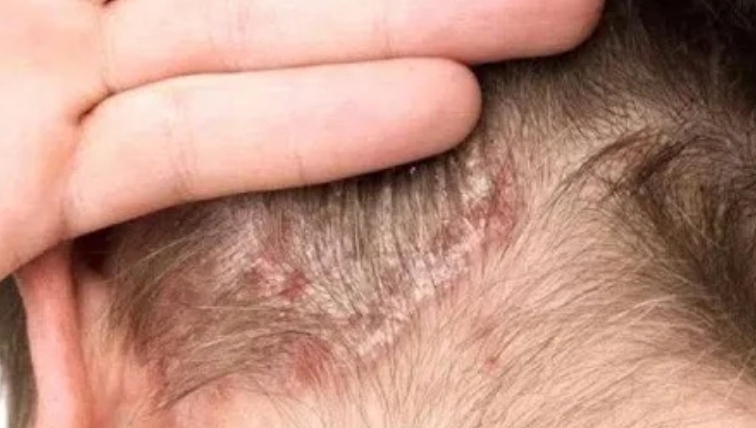
Child’s Scalp Problem? Common Causes, Warning Signs, and When to See a Doctor
Meta Title: Child Scalp Problems: Causes, Symptoms, and Treatment Guide
Meta Description: Is your child experiencing dandruff, scalp flakes, itching, or hair loss? Learn about common scalp conditions, home care tips, warning signs, and when it’s time to see a healthcare professional.
URL Slug:child-scalp-problems-causes-treatment
Child’s Scalp Problem? Common Causes, Warning Signs, and When to See a Doctor
Discovering unusual flakes, crusts, or patches on your child’s scalp can be worrying. Many parents immediately fear a serious infection or permanent hair loss, but in most cases, childhood scalp conditions are common, treatable, and manageable with the right care.
The key is to observe the symptoms carefully. Is the scalp itchy? Are there bald patches? Is the rash spreading? Does your child have pain or fever? These clues can help healthcare professionals identify the cause and recommend the most appropriate treatment.
This guide explains several of the most common scalp conditions seen in children, how to recognize them, what you can safely do at home, and when it’s important to seek medical care.
Start by Looking for These Important Clues
Before assuming the worst, take a close look at your child’s scalp and ask yourself:
- Are the patches dry, greasy, or crusty?
- Is your child scratching frequently?
- Is there hair loss?
- Are the affected areas getting larger?
- Is there redness, swelling, or drainage?
- Does your child have a fever or seem unwell?
These observations can provide valuable information for a healthcare provider.
1. Seborrheic Dermatitis (Scalp Dandruff or Cradle Cap)
One of the most common scalp conditions in children is seborrheic dermatitis.
Common Signs
- Yellow or white flakes
- Greasy or crusty patches
- Mild redness
- Light itching
- Flaking around the hairline
Seborrheic dermatitis often affects children with naturally oily skin or sensitive scalps and may worsen during seasonal changes.
Home Care
- Wash hair with a gentle shampoo.
- Use lukewarm water.
- Avoid scratching or aggressively removing flakes.
- Keep the scalp clean.
Although it may look alarming, this condition is usually not dangerous and often improves with appropriate care.
2. Tinea Capitis (Scalp Ringworm)
Tinea capitis is a fungal infection that commonly affects school-age children.
Warning Signs
- Round bald patches
- Broken hairs (“black dot” appearance)
- Dry, scaly skin
- Gradually enlarging patches
- Mild swelling or tenderness
Unlike dandruff, scalp ringworm usually requires prescription antifungal medication. Over-the-counter creams alone are generally not effective.
What Parents Should Do
- Avoid sharing combs, hats, pillows, or towels.
- Keep the scalp clean.
- Arrange a medical evaluation.
- Follow the prescribed treatment completely.
- 3. Head Lice (Pediculosis Capitis)
Head lice are extremely common among school-aged children.
Although unpleasant, they are not a sign of poor hygiene.
Symptoms
Intense itching
Scratching behind the ears and neck
Tiny white or tan eggs (nits) firmly attached to hair shafts
Difficulty sleeping due to itching
Home Care
Use a fine-toothed lice comb on wet hair.
Wash bedding, hats, and recently worn clothing according to care instructions.
Avoid sharing brushes, combs, hats, or hair accessories.
Check other household members if lice are confirmed.
Effective lice treatments are available, but follow product directions carefully and consult a healthcare provider if you’re unsure which treatment is appropriate.
4. Dry Scalp or Eczema
Sometimes scalp irritation is caused by dry skin or eczema rather than infection.
Signs
Dry patches
Mild redness
Light flaking
Occasional itching
Little or no hair loss
Possible Triggers
Sensitive skin
New shampoo
Sweat
Dry weather
Fragranced hair products
Gentle Care Tips
Switch to a fragrance-free shampoo.
Avoid harsh styling products.
Wash the scalp gently.
Keep the scalp moisturized if recommended by your healthcare provider.
Why Different Scalp Conditions Can Look Similar
Many scalp conditions share similar symptoms, making diagnosis challenging.
For example:
Lice eggs may resemble dandruff.
Fungal infections can look like dry skin.
Seborrheic dermatitis can resemble both.
Eczema may cause similar redness and flaking.
This is one reason why persistent symptoms should be evaluated by a healthcare professional rather than treated based on guesswork alone.
When Should Parents Seek Medical Care?
Contact a healthcare provider promptly if your child develops:
Rapidly spreading bald patches
Painful swelling
Pus or drainage
Fever
Thick yellow crusts
Enlarged lymph nodes
Severe itching that worsens
Symptoms that do not improve with basic care
Early diagnosis often leads to faster treatment and helps prevent complications.
Safe Steps Parents Can Take at Home
While waiting for a medical evaluation, you can generally:
✔ Wash hair using a mild shampoo.
✔ Avoid scratching or picking at affected areas.
✔ Check the scalp regularly under good lighting.
✔ Keep brushes, combs, hats, and pillowcases clean.
✔ Avoid sharing personal hair items.
✔ Monitor changes in itching, redness, scaling, or hair loss.
Avoid applying home remedies, essential oils, or medicated products unless recommended by a healthcare professional, as some may irritate the scalp or delay proper diagnosis.
Frequently Asked Questions
Are scalp problems in children common?
Yes. Conditions such as dandruff, head lice, eczema, and fungal infections are commonly seen in children and are usually treatable.
Does every flaky scalp mean dandruff?
No. Flaking can result from several different conditions, including fungal infections, eczema, psoriasis, or seborrheic dermatitis.
Can head lice cause hair loss?
Head lice mainly cause itching. Hair loss is uncommon and usually results from excessive scratching or another underlying scalp condition.
Is scalp ringworm contagious?
Yes. Tinea capitis can spread through direct contact or by sharing combs, hats, towels, or pillows.
When should I be concerned about scalp problems?
Seek medical attention if symptoms spread rapidly, involve swelling or pus, are accompanied by fever, or include significant hair loss or persistent pain.
You May Also Like
How to Recognize Ringworm in Children
Head Lice: Prevention, Treatment, and Common Myths
Common Childhood Skin Rashes Explained
Eczema vs. Psoriasis: Understanding the Differences
Healthy Hair Care Tips for Children
When to See a Dermatologist for Skin Concerns
Final Thoughts
Most scalp conditions in children are not serious and can be successfully treated with the right diagnosis and care. The most important step is careful observation rather than panic.
Whether the cause is seborrheic dermatitis, head lice, eczema, or a fungal infection such as tinea capitis, early recognition can make treatment easier and help prevent the problem from worsening.
If your child’s scalp symptoms are severe, spreading, painful, or associated with significant hair loss or fever, consult a qualified healthcare professional promptly. A timely evaluation can provide the correct diagnosis and ensure your child receives the safest and most effective treatment.