
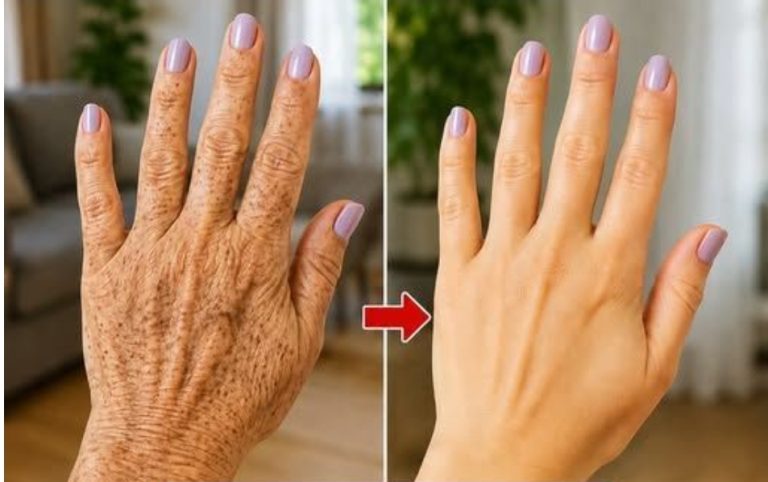
Why Hands and Arms Often Show Signs of Aging First
Many people are surprised to learn that the skin on the hands is naturally thinner than skin in some other parts of the body.
Over time, several factors can contribute to changes in appearance:
- Frequent exposure to sunlight
- Repeated washing and sanitizing
- Dry indoor air
- Natural changes associated with aging
- Household cleaning products
- Smoking and lifestyle habits
Research has consistently shown that ultraviolet (UV) exposure is one of the biggest contributors to visible skin aging. Areas that receive regular sun exposure, such as the hands and forearms, often develop uneven pigmentation and texture changes over time.
But that is not all.
Many older adults unknowingly damage the skin barrier every day through habits that seem harmless.
For example:
- Washing hands with very hot water
- Skipping moisturizer after washing
- Forgetting sunscreen on the backs of the hands
- Using harsh cleaning products without gloves
These small actions may gradually affect how the skin looks and feels.
A Common Misunderstanding
One of the most common myths online is that a single homemade mixture can dramatically transform the appearance of aging skin overnight.
The truth is much less exciting but far more useful.
Healthy-looking skin usually comes from consistent care rather than one-time remedies.
The Viral Lemon and Honey Trend: What Does It Actually Do?
Social media is full of images showing dramatic “before and after” transformations involving ingredients such as:
- Honey
- Lemon juice
- Baking soda
- Yogurt
- Oatmeal
The image associated with this trend often suggests that a simple mixture can make hands appear dramatically younger.
Here is what science suggests.
Honey
Honey contains natural humectant properties.
In simple terms, it may help attract and retain moisture on the skin surface.
Because of this, many moisturizing products include ingredients that work in a similar way.
Lemon Juice
Lemon contains natural acids and vitamin C.
However, applying concentrated lemon juice directly to the skin may increase irritation in some individuals, especially when followed by sun exposure.
That is why many dermatology professionals recommend caution with DIY citrus-based skin applications.
Baking Soda
While commonly used in homemade beauty recipes, baking soda may be too alkaline for some skin types and could disrupt the skin’s natural protective barrier.
The Bottom Line
A homemade mixture might temporarily improve the feeling of dryness because of moisturizing ingredients.
However, no kitchen recipe can guarantee dramatic changes, and results vary greatly from person to person.
That leads us to something far more important.
The Daily Routine That Often Matters More Than DIY Recipes
If you ask skin care professionals about maintaining the appearance of hands over time, they often focus on a few simple habits.
These habits are not glamorous.
But they may be surprisingly effective when practiced consistently.
Step 1: Use a Gentle Cleanser
Choose a mild hand cleanser that does not leave your skin feeling tight or stripped.
If your hands feel squeaky clean after every wash, your skin barrier may be losing moisture.
Step 2: Moisturize Immediately
This is where many people miss an opportunity.
Apply moisturizer within a few minutes after washing your hands.
This helps lock in hydration while the skin is still slightly damp.
Look for ingredients such as:
- Glycerin
- Ceramides
- Hyaluronic acid
- Shea butter
Step 3: Protect Against Sun Exposure
The backs of the hands receive more sunlight than many people realize.
Applying broad-spectrum sunscreen to your hands before outdoor activities may help support a more even-looking skin tone over time.
Step 4: Wear Protective Gloves
Whether gardening, washing dishes, or using household cleaners, gloves create a simple barrier that may reduce irritation.
And here is the interesting part.
Many people spend money on specialty products while ignoring this free preventive habit.
Comparing Popular Hand Care Approaches
| Approach | Potential Benefit | Things to Consider |
|---|---|---|
| Moisturizer | Supports hydration | Requires consistent use |
| Sunscreen | Helps protect from UV exposure | Must be reapplied |
| Protective gloves | Reduces contact with irritants | Easy to forget |
| Honey-based mask | May temporarily improve moisture | Results vary |
| Lemon-based mixture | Often promoted online | May irritate sensitive skin |
| Professional skin consultation | Personalized advice | Depends on individual needs |
The key takeaway is simple.
Long-term habits generally have a greater impact than occasional DIY treatments.
A Gentle Homemade Hand Mask Many People Prefer
For readers who enjoy natural skin care, a gentle moisturizing mask may be a safer option than harsher internet trends.
Simple Oatmeal and Honey Hand Mask
Ingredients:
- 1 tablespoon finely ground oatmeal
- 1 tablespoon honey
- 1 teaspoon plain yogurt
Instructions:
- Mix ingredients until smooth.
- Apply to clean hands.
- Leave on for 10 to 15 minutes.
- Rinse with lukewarm water.
- Follow with moisturizer.
This type of mask may help temporarily improve softness and comfort, especially for dry skin.
However, discontinue use if irritation occurs.
Lifestyle Habits That Influence Skin Appearance
Here is where the conversation becomes more interesting.
Many people focus entirely on what they put on their skin.
Yet several lifestyle factors may also influence how skin appears.
Stay Hydrated
Adequate hydration supports normal body functions, including skin health.
Eat a Balanced Diet
Foods rich in antioxidants may help support overall skin wellness.
Examples include:
- Berries
- Leafy greens
- Nuts
- Fatty fish
- Colorful vegetables
Get Enough Sleep
During sleep, the body performs many restorative processes.
Poor sleep habits may contribute to a tired appearance over time.
Avoid Smoking
Research has associated smoking with accelerated visible skin aging.
Reducing or avoiding tobacco use may benefit overall health as well as skin appearance.
Manage Stress
Chronic stress may affect multiple aspects of health.
Simple activities such as walking, stretching, reading, or spending time with loved ones can be valuable additions to a healthy routine.
The One Habit Most People Forget
Remember the important detail mentioned earlier?
For many adults, it is sunscreen.
People often apply sunscreen carefully to the face while forgetting:
- The backs of the hands
- Forearms
- Neck
- Chest
Yet these areas frequently receive significant sun exposure.
If there is one habit worth adding today, it may be this simple step.
Over months and years, consistent protection can be more meaningful than chasing the latest viral internet recipe.
Final Thoughts
The appeal of homemade remedies is understandable. They are affordable, accessible, and often feel comforting. However, when it comes to maintaining the appearance of hands and arms, consistency usually matters more than quick fixes.
A balanced approach that includes moisturizing, sun protection, gentle cleansing, healthy lifestyle habits, and realistic expectations may help support smoother, healthier-looking skin over time.
The secret is not a miracle ingredient hidden in your kitchen.
It is the collection of small habits repeated every day.
Frequently Asked Questions
Can honey help improve the appearance of dry hands?
Honey may help attract moisture to the skin and can temporarily improve softness when used as part of a moisturizing routine.
Is lemon juice safe for hands?
Some people may experience irritation or increased sensitivity after applying lemon juice directly to the skin. Patch testing and caution are important.
How often should I moisturize my hands?
Many skin care professionals recommend moisturizing after washing hands and whenever skin feels dry.
Medical Disclaimer
This article is for informational and educational purposes only and is not intended as medical advice. Individual skin needs vary. Consult a qualified healthcare professional or dermatologist for personalized recommendations regarding skin concerns or persistent changes in skin appearance.