
In a world filled with expensive supplements, complicated wellness routines, and viral health trends, it can be easy to overlook the simple plants that have been used in traditional food and household practices for generations.
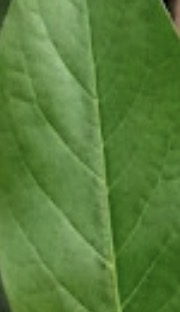
One example is guava leaf.
Guava leaves are often described online as a forgotten natural remedy with the potential to “boost immunity,” fight infections, or protect the body from illness. Some social-media posts go even further, suggesting that drinking guava-leaf tea can dramatically strengthen the immune system.
Those claims deserve a closer look.
Guava leaves contain naturally occurring plant compounds, including flavonoids, tannins, and other antioxidants. Researchers have investigated guava leaves for various biological activities, including antioxidant and antimicrobial effects. However, that does notmean a homemade guava-leaf drink can prevent disease or replace medical treatment.
The more realistic way to look at guava leaves is as an interesting traditional plant ingredient that may complement a healthy lifestyle—not as a miracle cure.
What Are Guava Leaves?
Guava leaves come from the guava tree, scientifically known as Psidium guajava.
The tree is widely grown in tropical and subtropical regions, and its fruit is familiar to millions of people.
But the leaves have also been used traditionally in different cultures.
They may be prepared as teas, infusions, or other homemade preparations.
Traditional uses have included supporting digestion, freshening the mouth, and providing soothing herbal drinks.
Modern research has become interested in the leaves because they contain a variety of plant compounds.
These compounds are responsible for many of the biological properties being investigated.
Why Are Guava Leaves Interesting?
Plants contain naturally occurring chemicals called phytochemicals.
Some phytochemicals act as antioxidants or interact with biological processes in laboratory studies.
Guava leaves contain several types of compounds that researchers have investigated, including:
- Flavonoids
- Tannins
- Phenolic compounds
- Carotenoids
- Other plant antioxidants
Antioxidants are often discussed in connection with health because oxidative stress can contribute to cellular damage.
However, it is important not to make the leap from “contains antioxidants” to “prevents disease.”
Nutrition and human biology are much more complicated than that.
A laboratory finding does not automatically become a proven treatment in humans.
Can Guava Leaves Strengthen the Immune System?
This is where viral wellness claims often go too far.
Your immune system is an incredibly complicated network involving cells, tissues, organs, proteins, and signaling pathways.
It cannot simply be “supercharged” by drinking one particular tea.
There is currently not enough high-quality human evidence to claim that guava-leaf tea dramatically strengthens immunity or prevents infections.
That does not mean guava leaves are useless.
It means the evidence should be described honestly.
A guava-leaf infusion can be part of a balanced diet and healthy routine, but it should not be presented as an immune-system cure.
What About the Antioxidants?
Guava leaves contain antioxidant compounds, and this is one reason they have attracted scientific interest.
Antioxidants can help neutralize certain reactive molecules under specific conditions.
The body also has its own sophisticated antioxidant defenses.
Eating a varied diet that includes fruits, vegetables, legumes, whole grains, nuts, and other nutrient-rich foods provides a broad range of beneficial compounds.
Rather than searching for one “superfood,” it is generally more useful to focus on overall dietary quality.
Guava leaves may contribute plant compounds, but they are only one small part of a much larger nutritional picture.
A Simple Guava-Leaf Tea
If you enjoy herbal drinks and have access to clean, correctly identified guava leaves, a simple infusion can be prepared without complicated ingredients.
Ingredients
- 4–5 clean guava leaves
- About 1 cup of water
- Optional: a small amount of lemon for flavor
Preparation
Wash the leaves thoroughly.
Bring the water to a boil and add the leaves.
Reduce the heat and simmer gently for several minutes.
Turn off the heat and allow the liquid to cool to a comfortable temperature.
Strain the leaves before drinking.
There is no need to add large amounts of sugar simply to make the drink more appealing. If you prefer sweetness, using a modest amount is reasonable.
Don’t Turn the Tea Into a Medicine
One of the biggest problems with online herbal remedies is that a simple food preparation can gradually become marketed as a powerful treatment.
A post may begin with:
“Guava leaves contain antioxidants.”
Then the claim becomes:
“Guava leaves strengthen your immune system.”
Eventually, it becomes:
“Drink this every morning and you won’t get sick.”
Those are very different claims.
The first statement can be supported by the presence of plant compounds.
The last statement requires strong clinical evidence.
That evidence is not established simply because a plant has been traditionally used.
Traditional Knowledge Has Value—But It Still Needs Context
Traditional medicine and food practices can provide interesting clues for scientific research.
People have used plants for generations because they observed certain effects.
Modern science can investigate those observations.
But traditional use does not automatically prove effectiveness.
There is a difference between:
“People have traditionally used guava leaves.”
and
“Clinical trials prove guava leaves prevent disease.”
The first is a statement about history.
The second is a medical claim that requires substantial evidence.
Keeping those categories separate makes health information much more trustworthy.
Could Guava Leaves Support Oral Health?
Guava leaves have also attracted interest in oral care.
Some research has examined their antimicrobial and anti-inflammatory properties.
This has led to traditional practices involving guava-leaf rinses and preparations.
However, a homemade guava-leaf rinse should not replace basic dental care.
Brushing twice daily with fluoride toothpaste, cleaning between the teeth, limiting frequent sugary foods and drinks, and seeing a dentist when necessary remain much more important.
Guava leaves cannot repair cavities or rebuild lost enamel.
What About Digestion?
Guava leaves have traditionally been used in some cultures for digestive complaints.
Researchers have investigated extracts from guava leaves for various gastrointestinal effects.
However, people should be cautious about turning traditional use into a guaranteed treatment.
Persistent diarrhea, severe abdominal pain, blood in the stool, dehydration, vomiting, or unexplained weight loss can require medical evaluation.
Drinking an herbal tea should not delay appropriate treatment.
Natural Does Not Automatically Mean Safe
The phrase “natural remedy” can create a false sense of security.
Plants contain chemicals.
Some can interact with medications or cause side effects.
The safety of a plant may also depend on the amount consumed, how it is prepared, and an individual’s health circumstances.
Homemade preparations can create additional concerns.
Leaves may be contaminated with pesticides, dirt, bacteria, or other substances if they have not been properly cleaned.
Correct plant identification is also important.
Never consume a plant simply because it resembles something you have seen online.
Be Careful With Concentrated Extracts
There is an important difference between drinking a mild homemade infusion and taking a concentrated herbal extract.
A tea contains relatively diluted plant compounds.
Extracts, powders, capsules, and concentrated preparations can deliver much larger amounts.
More is not necessarily better.
If a product claims that a highly concentrated guava-leaf extract can “destroy viruses,” “prevent cancer,” or replace conventional medicine, skepticism is warranted.
Extraordinary health claims require extraordinary evidence.
Who Should Be Especially Careful?
People who take prescription medications should be cautious about adding concentrated herbal products to their routines.
Anyone who is pregnant or breastfeeding should also consult an appropriate healthcare professional before regularly consuming medicinal herbal preparations.
Children should not automatically be given adult herbal remedies.
People with chronic medical conditions should likewise avoid assuming that an herbal drink is harmless simply because it is made from a plant.
When in doubt, ask a qualified healthcare professional.
The Immune System Needs More Than One Ingredient
If your goal is supporting normal immune function, the basics matter far more than any single leaf.
Sleep
Adequate sleep supports numerous aspects of normal immune function.
Consistently poor sleep can affect overall health and well-being.
Balanced Nutrition
A varied diet supplies vitamins, minerals, protein, fiber, and other nutrients needed for normal body function.
Physical Activity
Regular physical activity supports cardiovascular health, metabolic health, and overall well-being.
Stress Management
Long-term stress can affect sleep, eating patterns, mood, and many aspects of health.
Good Hygiene
Handwashing and sensible infection-control practices remain among the most practical ways to reduce exposure to certain infectious diseases.
Vaccination
Vaccines remain one of the most evidence-based tools for preventing specific infectious diseases.
No herbal tea can replace vaccination when vaccination is recommended.
Beware of “One Ingredient” Health Promises
Online wellness content often focuses on one ingredient because simplicity sells.
“Add this leaf.”
“Drink this before bed.”
“Take one spoon every morning.”
These instructions are easy to remember and easy to share.
But human health is rarely that simple.
There is no single leaf, spice, drink, or ingredient that can compensate for chronic sleep deprivation, poor nutrition, smoking, inactivity, or untreated medical conditions.
Healthy habits work together.
How to Recognize a Misleading Herbal Claim
There are several warning signs.
Be cautious when an article claims that a plant:
- “Cures everything”
- “Kills all viruses”
- “Works instantly”
- “Doctors don’t want you to know”
- “Replaces medication”
- “Has no side effects”
- “Detoxes your entire body”
- “Prevents every disease”
These phrases are usually marketing language rather than scientific conclusions.
Reliable health information tends to be more cautious.
It explains what is known, what remains uncertain, and where evidence is limited.
Don’t Confuse Laboratory Research With Human Evidence
This is one of the most important lessons in natural-health discussions.
Scientists may discover that a plant extract affects bacteria or cells in a laboratory.
That can be interesting.
But humans are not laboratory dishes.
The amount needed to produce an effect in a laboratory may be impossible or unsafe to consume.
The substance may be absorbed differently in the human digestive system.
And an effect observed in isolated cells may not produce a meaningful health benefit in people.
Clinical trials are needed to determine whether a treatment actually works in humans.
A Better Way to Think About Guava Leaves
Instead of asking:
“Will guava leaves make me immune to illness?”
a more useful question is:
“Can guava leaves be part of a healthy diet or traditional wellness routine?”
For many people, the answer may be yes, provided they are used safely and sensibly.
A mild guava-leaf tea can be an enjoyable herbal drink.
The leaves contain interesting plant compounds.
Traditional use makes them culturally and nutritionally interesting.
But there is no reason to turn them into a miracle product.
What Guava Leaves Cannot Do
It is important to establish realistic boundaries.
Guava leaves cannot reliably:
❌ Prevent every infection
❌ Cure serious diseases
❌ Replace antibiotics when antibiotics are medically necessary
❌ Replace vaccines
❌ Cure cancer
❌ Repair damaged organs
❌ Replace a healthy diet
❌ Substitute for professional medical care
These limitations do not make the plant uninteresting.
They simply keep the conversation grounded in evidence.
When to See a Doctor
Natural remedies should never delay medical attention when symptoms are serious or persistent.
Seek appropriate medical care for symptoms such as:
- Difficulty breathing
- Chest pain
- Severe dehydration
- Persistent high fever
- Confusion
- Severe abdominal pain
- Blood in vomit or stool
- Unexplained weight loss
- Persistent symptoms that are getting worse
An herbal drink may be comforting, but comfort is not the same as treatment.
Final Verdict
Guava leaves are an interesting traditional plant ingredient with naturally occurring compounds that have attracted scientific attention.
They contain flavonoids, tannins, and other phytochemicals that may have antioxidant and antimicrobial activity.
But that does not make guava leaves a magical immune booster.
The strongest approach is to appreciate the plant without exaggerating what science currently proves.
If you enjoy guava-leaf tea, think of it as a traditional herbal beverage, not a substitute for medical treatment.
Your immune system does not need a miracle.
It needs the fundamentals: adequate sleep, nutritious food, regular physical activity, good hygiene, appropriate vaccination, stress management, and medical care when necessary.
The Bottom Line
The “forgotten leaf” may be interesting—but the real secret to supporting your body’s defenses is much less dramatic.
There is no single ingredient that transforms your health overnight.
Instead, small healthy choices made consistently can add up over time.
Guava leaves can be part of the story, but they should never be presented as the whole story.
Disclaimer: This article is for general informational purposes and does not provide medical advice. Herbal preparations may not be appropriate for everyone. If you take medication, have a medical condition, are pregnant or breastfeeding, or have concerning symptoms, consult a qualified healthcare professional before using herbal remedies regularly.